

Introduction
For decades, the skincare industry has continuously searched for ingredients that don't just temporarily cover up skin concerns, but actively signal the skin to repair itself. Polydeoxyribonucleotide, better known as PDRN, is one such novel addition to this list.
While PDRN has surged in popularity across global beauty markets as a premier skin-rejuvenating active, a major shift is currently underway. Traditional PDRN relies heavily on animal-derived sourcing, particularly marine life.
Today, breakthroughs in green biotechnology are introducing a clean, sustainable, and entirely cruelty-free alternative to the market: plant-derived PDRN.
Understanding PDRN: From Clinical Medicine to Advanced Dermatology
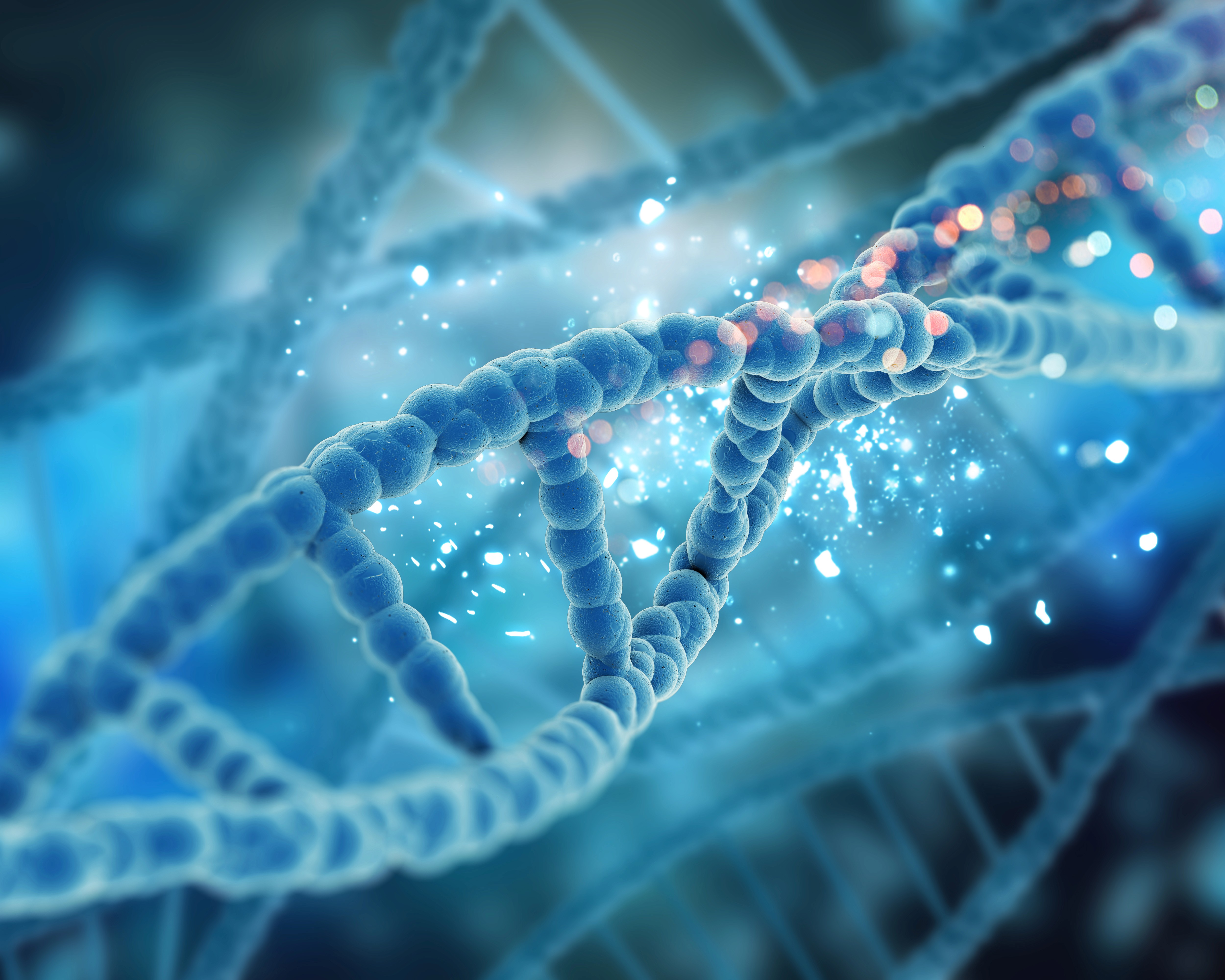
PDRN is essentially a mixture of low-molecular-weight DNA fragments made up of essential building blocks called deoxyribonucleotides.
PDRN is far from a simple trend. Its scientific history dates back over 30 years, when researchers initially investigated its ability to repair severe, radiation-induced tissue damage. That foundational research laid the groundwork for modern regenerative medicine, eventually demonstrating immense value in clinical dermatology.
Today, extensive scientific literature highlights PDRN’s versatility in treating a broad array of skin conditions, including:
Anti-aging and structural rejuvenation
Accelerated wound healing
Acne scar healing
Inhibition of melanogenesis (dark spot reduction)
Hair follicle revitalisation and growth support
The Mechanism: How PDRN Revitalises the Skin
At a cellular level, PDRN functions as a vital biological signalling agent. When delivered into the dermis, it acts on three core physiological pathways:
Collagen synthesis: it prompts dermal fibroblasts to boost structural collagen production, restoring skin elasticity and smoothing out wrinkles.
Angiogenesis: it encourages the formation of new micro-blood vessels, improving local oxygen and nutrient delivery to damaged tissue.
Anti-inflammatory modulation: it significantly cools down inflammatory cascades, enabling faster tissue repair and a stronger barrier response.
Traditional Salmon PDRN: Benefits and Market Limitations
Traditionally, biological PDRN has been harvested from the milt (sperm) of fish, particularly salmon. Salmon DNA was historically selected because its genetic sequence closely mirrors human DNA, demonstrating high biocompatibility and remarkably low immunogenicity.
To turn raw marine material into a cosmetic active, the harvested DNA undergoes rigorous processing. It is subjected to enzymatic hydrolysis and controlled heat treatments to break down the DNA into usable fragments while stripping away unwanted cellular proteins and potentially allergenic components. This yields a scalable active suitable for medical and cosmetic applications.
The Shift Toward a Plant-Based Alternative
While the clinical efficacy of marine-derived PDRN is well-established, modern consumer preferences and formulation ethics have created a strong demand for alternatives:
Ethical & vegan standards: salmon PDRN is inherently animal-derived, rendering it unsuitable for the rapidly growing vegan skincare sector.
Environmental sustainability: sourcing from marine life presents ongoing supply chain and ecological questions regarding industrial fishing practices.
Sensitivity concerns: marine sourcing introduces a theoretical risk for consumers with severe fish or shellfish allergies.
These factors have accelerated the demand for a sustainable, cruelty-free alternative that delivers comparable skin-repairing signalling without animal inputs.
The New Frontier: Plant-Derived PDRN
What is plant-derived PDRN? Plant-based PDRN utilises the rich genetic architecture of botanicals instead of marine sources. Scientists are currently extracting bio-identical PDRN molecules from a diverse range of plant sources, including Ginseng, Seaweed, Rice, and Peony (Paeonia lactiflora).
Rather than relying on animal tissue, scientists leverage precise botanical extraction and bio-processing techniques to harvest cellular plant DNA and reduce it into bio-active fragments.
How Plant PDRN is Extracted: A Look at the Science
Extracting stable, low-molecular-weight PDRN from plant cells requires sophisticated scientific processing. Here are two prominent, proven methodologies driving this innovation:
1. Targeted extraction from Paeonia lactiflora (Peony)
In a notable study evaluating Paeonia lactiflora, researchers developed a precise physical extraction method to harvest low-molecular-weight PDRN:
Homogenisation: fresh botanical matter was finely chopped, blended, and centrifuged to separate the solid plant tissue from the liquid supernatant containing raw cellular components.
DNA isolation: genomic DNA was carefully extracted from the collected supernatant.
Ultrasonic fragmentation: to transform large genomic DNA into biologically active fragments, scientists subjected the peony DNA to controlled ultrasonic homogenisers (sonication).
This process yielded low-molecular-weight Peony PDRN, which demonstrated strong regenerative capacity, barrier-reinforcing effects, and anti-aging properties in laboratory testing.
2. Patented plant cell culture and extraction technology
A South Korean patent details an advanced biomanufacturing process designed to isolate high-purity PDRN directly from cultured plant cells:
Induction & culturing: plant cells are cultivated in a specialised growth medium enriched with sucrose and precise plant growth regulators to promote cell multiplication.
Cryo-disruption preparation: harvested plant cells are combined with a mild surfactant and sodium chloride (NaCl), then subjected to controlled freezing.
Cellular disruption: the frozen cellular matrix is mechanically disrupted to release intact genomic DNA.
Sonic fragmentation: the isolated genomic DNA is treated with ultrasonic waves (sonication) to shear the large molecules into targeted, low-molecular-weight PDRN fragments.
Efficacy and Clinical Outlook: What the Experts Say
As the industry moves toward plant-based alternatives, a common question arises: is plant-based PDRN effective?
Addressing this topic in VOGUE, medical experts clarify that while many botanical PDRN variants are not 100% molecularly identical to animal DNA, they are explicitly engineered to mimic the exact biological and regenerative pathways activated by traditional PDRN. This structural design enables them to effectively stimulate cellular repair and collagen production.
It is important to note that the clinical landscape for plant-derived PDRN is still maturing. While traditional salmon PDRN benefits from decades of human trials, phyto-PDRN is currently supported by compelling preclinical trials and early laboratory studies. Further large-scale human clinical trials will help fully validate its long-term comparative efficacy.
However, early data clearly highlights phyto-PDRN as one of the most promising sustainable actives in modern cosmetic science.
Conclusion
Phyto-derived PDRN represents a pivotal evolution in regenerative skincare, seamlessly bridging high-performance biotechnology with ethical beauty standards. By harnessing botanical sources like peony and ginseng through advanced ultrasonic extraction, researchers can now produce bio-mimetic DNA fragments that stimulate cellular repair without relying on marine harvesting.
While comprehensive human clinical trials are ongoing to fully map its long-term performance alongside traditional salmon PDRN, early preclinical data confirms its immense potential. Plant-based PDRN offers brands and consumers an exciting, clean, and scientifically sound pathway toward effective skin rejuvenation and anti-aging solutions.
References
Akaberi SM, Sharma K, Ahmadi-Ashtiani HR, Hedayati M. Polydeoxyribonucleotide in skincare and cosmetics: mechanisms, therapeutic applications, and advancements beyond wound healing and anti-aging.
Polydeoxyribonucleotide (PDRN): The New Face in Aesthetics. Juventix.
Salmon Sperm Serum: What Is It, Does It Work & Is Vegan PDRN Better?
Bak SU, Jung MS, Kim DJ, et al. Anti-aging efficacy of low-molecular-weight polydeoxyribonucleotide derived from Paeonia lactiflora. International Journal of Molecular Sciences. 2025;27(1):220.
KR102682937B1 – Method for producing PDRN from plant cells. Google Patents.
Before you try vegan PDRN, here’s what experts want you to know. Vogue India.
Recent Post


Creative gold for your inbox
Get the latest articles and insights delivered straight to your inbox. Sign up today to stay informed and ahead of the competition.