Introduction
Today’s cosmetics market is experiencing a massive paradigm shift. Consumers are moving past superficial fixes and demanding products that deliver true cellular-level results. This means looking beyond basic hydration and exploring the frontiers of regenerative medicine.
One ingredient that you may see on almost every cosmetic brand’s new product edition is Polydeoxyribonucleotide (PDRN). This superhero ingredient from South Korea continues to make headlines for its powerhouse skincare benefits, including anti-aging, skin repair, and more.
What is PDRN?
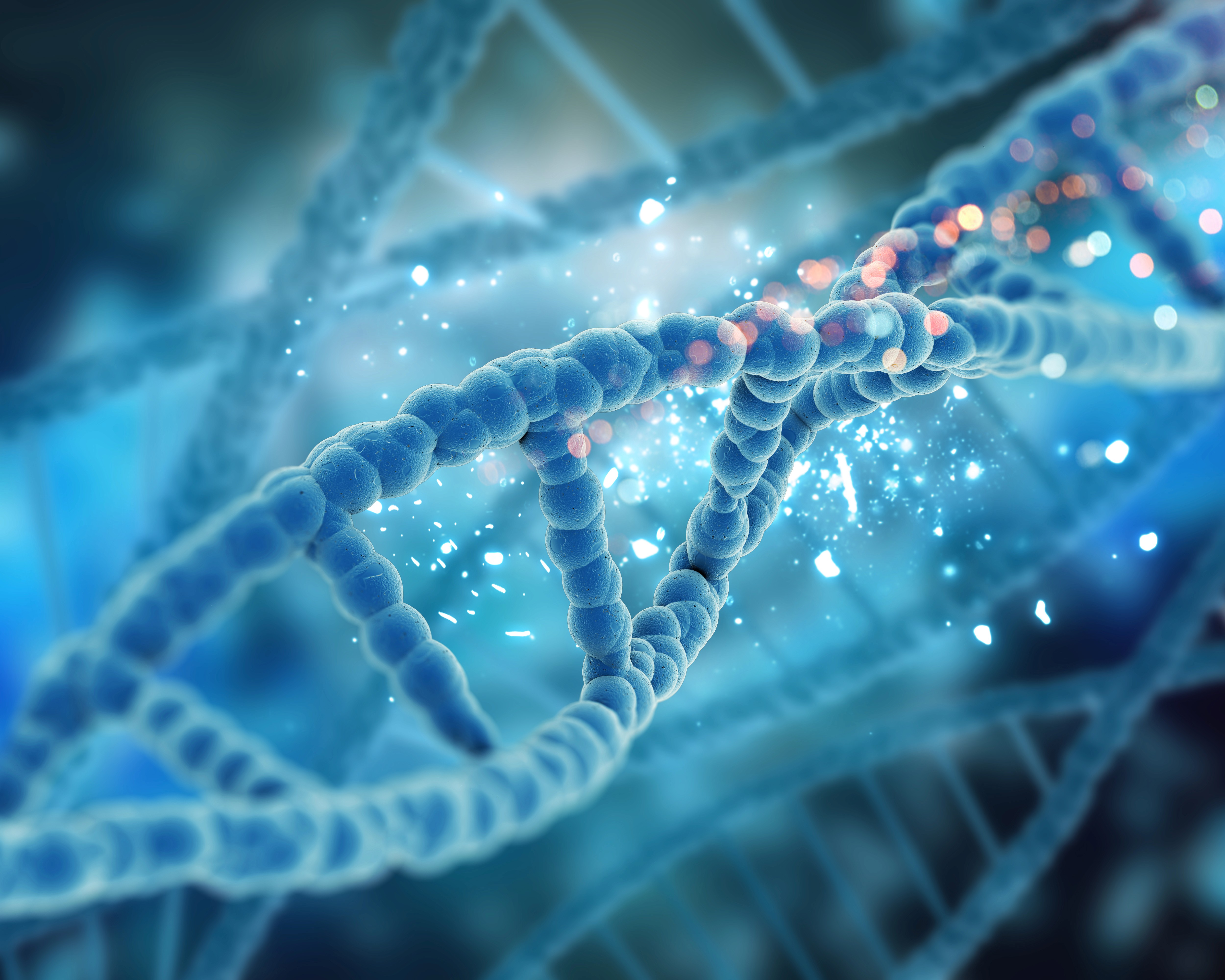
PDRN is an officially registered, DNA-based ingredient made up of a specific blend of DNA pieces that range in weight from 50 to 1500 kDa.
Most PDRN comes from salmon. It undergoes a high-temperature extraction and purification process, which yields an incredibly pure active ingredient (over 95%). This intense heat completely deactivates any residual proteins and peptides, meaning the final product won't trigger an immune or allergic reaction, making it exceptionally safe for the skin.
How PDRN works – dual action
PDRN does not simply sit on the skin’s stratum corneum; it actively rewires the skin’s healing response. It achieves this through a powerful two-pronged approach:
A2A Receptor Activation – PDRN works by latching onto specific “A2A” receptors on the outside of your skin cells. Once attached, it acts like a master switch: it instantly calms down inflammation while waking up the skin to multiply cells, repair tissue, and grow healthy new micro-blood vessels.
The Salvage Pathway Shortcut – Building new DNA from scratch requires massive cellular energy. PDRN skips this exhausting process by feeding ready-made nucleotides directly into the cell's salvage pathway. Think of it as a recycling shortcut: cells pick up these ready-to-use building blocks to repair damaged DNA and synthesise fresh tissue much faster than normal.
PDRN Types and Sources: Deciphering the Origin
When researching PDRN for your formulation matrix, the first consideration is the origin of the raw material.
Marine-Derived PDRN DNA Salmon (The Gold Standard)
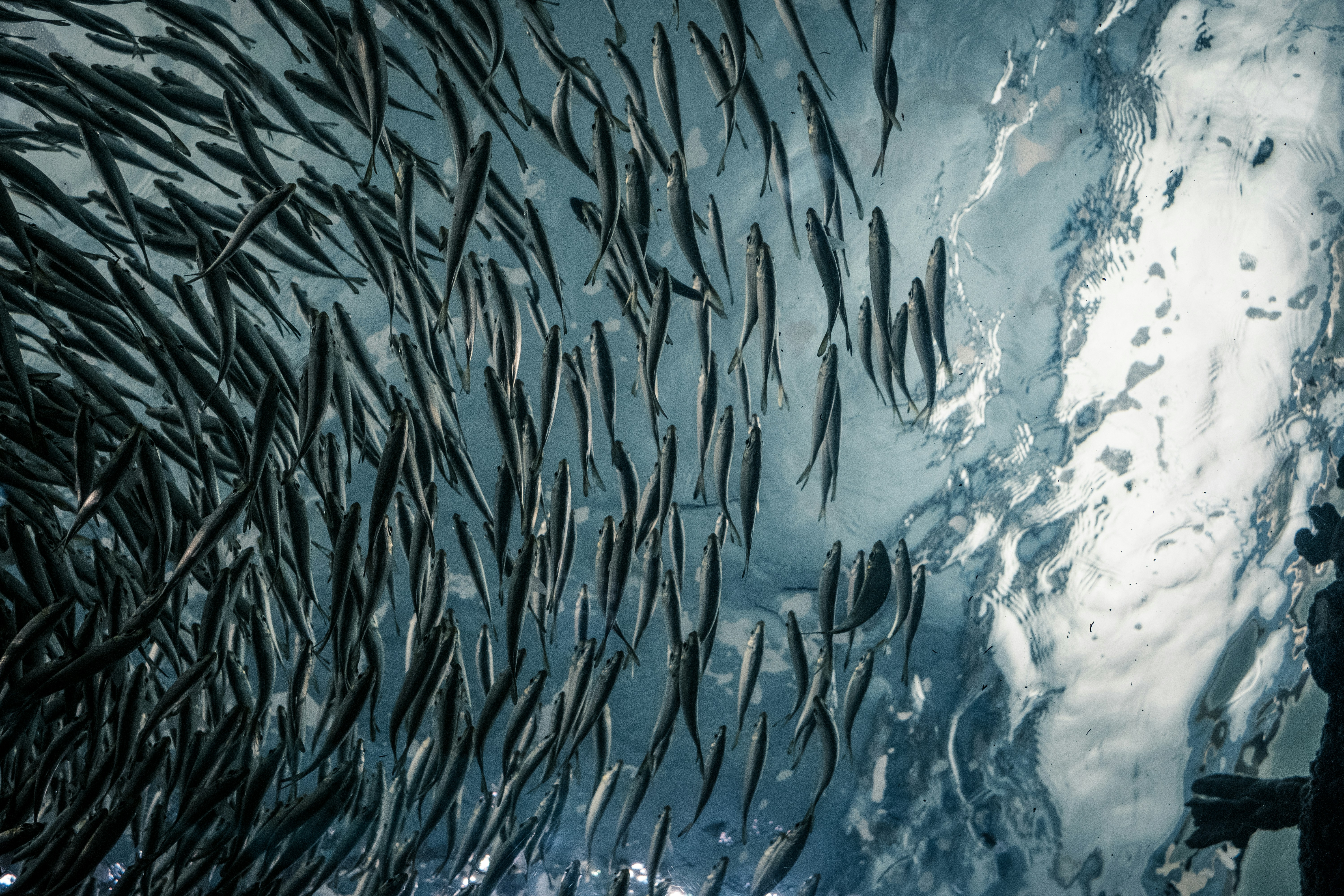
The vast majority of clinically backed PDRN is extracted from wild salmon sperm DNA, specifically Oncorhynchus mykiss (rainbow trout) or Oncorhynchus keta (chum salmon).
Why salmon? Salmon-based PDRN holds a special place in modern cellular repair. Because it comes from a fellow vertebrate, its genetic makeup is remarkably similar to our own, making it an incredibly natural fit for human skin.
Salmon and humans actually share more than 90% of the same DNA when it comes to building proteins. This close genetic match is way higher than anything you'd find in plant-based DNA, which is why salmon-derived ingredients work so naturally with our skin cells.
When salmon get ready to lay eggs, their bodies go through a major shift. They stop spending energy on digesting food or swimming long distances and focus entirely on reproducing. During this time, the male's reproductive organs (called milt) swell and fill with sperm cells containing tightly coiled DNA.
This exact setup is what makes salmon milt perfect for harvesting PDRN. While female fish eggs are packed with complicated cellular structures like mitochondria and thick nutrients, the male milt is much simpler and more streamlined. Because it is so straightforward, scientists can easily pull out ultra-pure DNA without having to filter through the messy impurities found in other tissues.
Plant-derived vegan PDRN
New research shows that plant-based PDRN is a fantastic alternative to the usual salmon sources. Specifically, PDRN taken from Korean ginseng roots has been shown to kick-start skin cell repair and speed up how quickly wounds heal.
Other plant-based options are stepping up, too. In lab tests, PDRN extracted from broccoli and mugwort has shown an incredible ability to speed up wound healing.
Microbial PDRN
Using microbes to make PDRN comes with massive perks: they grow incredibly fast, can be harvested all year long, and have a much smaller carbon footprint than plants or fish. That said, there just isn't much research out there yet on microbial PDRN.
A new study has broken new ground by being the first to look into a probiotic, Lactobacillus-derived version of PDRN—known as L-PDRN—to see exactly how it can be used in skincare.
Why L-PDRN's structure wins: Gel tests show that L-PDRN is made of much smaller DNA pieces (under 100 bp) than the usual salmon-based PDRN (which sits between 200–800 bp). This tiny molecular size means it can sink into the skin much faster and deeper, making it highly effective and easier for your cells to actually use.
In lab tests, L-PDRN showed much stronger antioxidant power than standard salmon PDRN, especially when used in higher doses. This means L-PDRN is far better at fighting off the free radicals that cause oxidative damage—making it an absolute powerhouse for preventing skin aging and speeding up tissue repair.
Efficacy vs. Retinol & EGF
A few ingredients have been popular in skincare for renewing the skin’s appearance, reducing signs of aging and improving overall skin texture. These include retinol and epidermal growth factor (EGF).
Retinol – After sinking into the skin's middle layer, retinol goes to work neutralising free radicals. This process jump-starts your natural collagen and elastin production, plumping up the skin from the inside out to smooth away fine lines, wrinkles, and large pores.
Epidermal growth factor (EGF) – EGF is a high-performance active ingredient. It works by prompting skin cells to multiply and repair themselves quickly. You will usually find it in skincare formulas designed to speed up wound healing, smooth out signs of aging, and strengthen a damaged skin barrier.
PDRN, Retinol, and EGF each have their unique abilities to revive the skin. Here’s a comparison to help you understand how these three work:
Efficacy comparison
Primary mechanism — PDRN: binds to A2A receptors to stimulate fibroblast proliferation and DNA repair. Retinol: binds to RARs (retinoic acid receptors) to alter gene transcription and increase cell turnover. EGF: binds to EGFR (ErbB receptors) to trigger cellular division and epidermal growth.
Top clinical benefit — PDRN: deep barrier repair, scar remodelling, and intense soothing/anti-inflammation. Retinol: proven reversal of wrinkles, smoothing texture, and fading hyperpigmentation. EGF: epidermal regeneration, quick recovery from laser/microneedling, and wound healing.
Irritation profile — PDRN: extremely gentle, with a 0.00% irritation index; highly suitable for reactive/compromised skin. Retinol: high potential; causes “retinisation,” resulting in peeling, dryness, and sun-sensitivity. EGF: extremely gentle; triggers natural cellular growth without chemical irritation.
Efficacy timeline — PDRN: 4 to 8 weeks for optimum results. Retinol: 4 to 12 weeks for visible results. EGF: 2 to 4 weeks for visible results.
Best used for — PDRN: sensitive skin, post-procedure recovery, acne scars, and chronic redness. Retinol: deep photo-aging, mature wrinkles, and acne/clogged pores. EGF: thinning skin, post-laser healing, and compromised or fragile skin barriers.
Conclusion
Polydeoxyribonucleotide (PDRN) is a DNA-derived, leading cosmetic ingredient for skin repair and anti-aging. Its most common source is the sperm cells of the salmon fish. Salmon DNA resembles human DNA, and PDRN extraction from salmon is comparatively more straightforward than from other sources.
PDRN has also been derived from plants and microorganisms recently. When compared to the other popular skincare ingredients, retinol and EGF, PDRN exhibits unique advantages. Retinol has a proven record of reversing wrinkles but has high irritation potential. EGF promotes epidermal growth and is gentler. PDRN is gentle and works in barrier repair and intense skin soothing.
References
Nguyen TH, Wang SL. Recent advances on polydeoxyribonucleotide extraction and its novel application in cosmeceuticals. International Journal of Biological Macromolecules. 2024;282:137051.
A Biological Key to Regeneration That Mirrors Human DNA: Salmon “Milt” [PDRN Decoding – Part 2]. The K Beauty Science.
Chae D, Oh SW, Choi YS, et al. First report on microbial-derived polydeoxyribonucleotide: a sustainable and enhanced alternative to salmon-based polydeoxyribonucleotide. Current Issues in Molecular Biology. 2025;47(1):41.
How Does Retinol Work? Facts, Side Effects, and More.
PDRN vs EGF (Epidermal Growth Factor): Which Is Better for Your Skin? PDRN Guide.
PDRN vs Retinol: Which Skin Regeneration Method Works Best?
PDRN in Cosmetics: The Complete Guide (Definition, Studies, Dosages). Dermalys.
PDRN vs Retinol: Best Ingredient for Skin Repair. Acelabs.
Growth factors vs. retinol: which one actually works better? Core Biogenesis.
Recent Post

Creative gold for your inbox
Get the latest articles and insights delivered straight to your inbox. Sign up today to stay informed and ahead of the competition.